CIVILIZATION DOSSIER
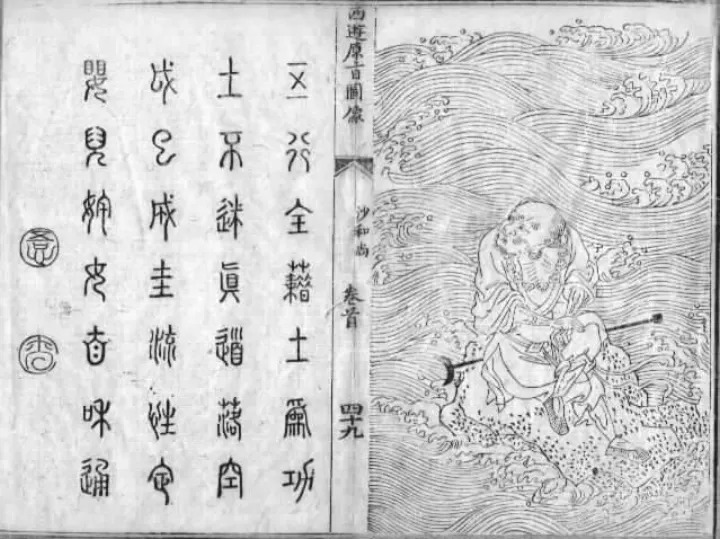
Sha Wujing (Friar Sand)沙僧
Sha Wujing, originally the Curtain-Raising General, later converted to Buddhism and became the third disciple of Tang Sanzang.
- DIRECT FIGURES
- 21
- RELATION RECORDS
- 30
- SOURCE WORKS
- 1
RELATIONSHIP COMPASS
Sha Wujing (Friar Sand), and the people around them.
Open one chapter at a time. Each chapter gives the relationship first, then the source text behind it.
01MENTORSHIPMentorship
Teachers, disciples and transmission
7 figures · 8 records+
Mentorship
Teachers, disciples and transmission
Tang Sanzang (Tripitaka)isSha Wujing (Friar Sand)’s teacher
Sun Wukong (Monkey King)—Sha Wujing (Friar Sand)fellow disciple
Zhu Bajie (Pigsy)—Sha Wujing (Friar Sand)fellow disciple
Sha Wujing (Friar Sand)—Third Princemaster-disciple
02KINSHIPKinship
Blood, marriage and sworn bonds
1 figure · 2 records+
Kinship
Blood, marriage and sworn bonds
Sha Wujing (Friar Sand)—Sun Wukong (Monkey King)fellow disciple
03ALLEGIANCEAllegiance
Rulers, appointments and allegiance
1 figure · 1 record+
Allegiance
Rulers, appointments and allegiance
Sha Wujing (Friar Sand)→Jade Emperorconfer title
04CONFLICTConflict
Battles, captures and defeat
13 figures · 15 records+
Conflict
Battles, captures and defeat
Sun Wukong (Monkey King)—Sha Wujing (Friar Sand)battle
Sha Wujing (Friar Sand)—Yellow-Robed Monsterbattle
Zhu Bajie (Pigsy)—Sha Wujing (Friar Sand)battle
05THE UNSEENMythic acts
Transformation, aid and divine punishment
3 figures · 4 records+
Mythic acts
Transformation, aid and divine punishment
Guanyin→Sha Wujing (Friar Sand)persuade and convert
Sun Wukong (Monkey King)→Sha Wujing (Friar Sand)rescue
Tathagata Buddha→Sha Wujing (Friar Sand)make arhat
12 key relationships are shown here. The complete record remains below.
In fiction · Journey to the West
Sha Wujing was originally the Curtain-Raising General in Heaven, but was banished to the Flowing Sands River for accidentally breaking a glass cup. Later, guided by Guanyin, he took the Buddhist name Sha Wujing and accompanied Tang Sanzang on his journey to the West. Along the way, he was loyal and steady, often fighting alongside Zhu Bajie. Although captured many times, he held fast to his faith. In the end, he achieved perfect merit and was appointed the Golden Body Arhat.
History vs. fiction
Sha Seng evolved from the legend of the Deep Sand Spirit; there is no such disciple in history.
In Chapter 008 of 'Journey to the West', Sha Seng is originally the Heavenly Court's Curtain-Raising General, demoted to the Flowing Sands River. This image originates from the legend in 'The Biography of the Tripitaka Master of the Great Ci'en Monastery' where Xuanzang encounters the Deep Sand Spirit while crossing the desert, and is not a real disciple. Original text: "弟子向蒙菩萨教化,指沙为姓,与我起个法名,唤做沙悟净,岂有不从师父之理?" (Chapter 022 of 'Journey to the West').
Relationship network
Original text (1)
这猴一路行凶,不可数计。
- fellow discipleSha Wujing (Friar Sand) → Sun Wukong (Monkey King)litJourney to the West, ch. 31Journey to the West, ch. 58
Original text (1)
沙僧一闻“孙悟空”的三个字,好便似醍醐灌顶
Original text (1)
沙僧道:“朝士休怪丑陋,我等乃是生成的遗体。
Original text (1)
被行者抡起铁棒,望那怪著头一下
Original text (1)
又看见行者,道:“这个主子,是他的帮手,好不利害,我不去了。”
- fellow disciple← Sun Wukong (Monkey King) → Sha Wujing (Friar Sand)litJourney to the West, ch. 23Journey to the West, ch. 76
Original text (1)
行者道:“兄弟,自从有了你与沙僧,我又不曾挑著,那知多重?”
Original text (1)
次又解了八戒、沙僧
- master-disciple← Tang Sanzang (Tripitaka) → Sha Wujing (Friar Sand)litJourney to the West, ch. 22Journey to the West, ch. 23Journey to the West, ch. 24Journey to the West, ch. 26Journey to the West, ch. 27Journey to the West, ch. 29Journey to the West, ch. 32Journey to the West, ch. 33Journey to the West, ch. 36Journey to the West, ch. 38Journey to the West, ch. 39Journey to the West, ch. 40Journey to the West, ch. 42Journey to the West, ch. 43Journey to the West, ch. 44Journey to the West, ch. 45Journey to the West, ch. 46Journey to the West, ch. 47Journey to the West, ch. 48Journey to the West, ch. 49Journey to the West, ch. 50Journey to the West, ch. 54Journey to the West, ch. 56Journey to the West, ch. 59
Original text (8)
那悟净才收了宝杖,整一整黄锦直裰,跳上岸来,对唐僧双膝跪下道:“师父,弟子有眼无珠
三藏道:“你两个不肯,便教悟净在这里罢。”
行者遂领师父上了大路
那悟能、悟净就不是人
贫僧有两个徒弟,善能逢山开路,遇水叠桥,保贫僧到此。
我这里还有八戒、沙僧,都是徒弟
沙和尚拢著马头
唐僧睡不著,正与沙僧讲行者哄了八戒去久不回之事。
- persuade and convert← Guanyin → Sha Wujing (Friar Sand)litJourney to the West, ch. 22Journey to the West, ch. 100
Original text (2)
也是我劝化的善信,教他保护取经之辈。
也蒙菩萨劝善
Original relation: urge goodness · Journey to the West, ch. 100
- enlighten← Guanyin → Sha Wujing (Friar Sand)litJourney to the West, ch. 8Journey to the West, ch. 94
Original text (2)
菩萨方与他摩顶受戒,指沙为姓,就姓了沙;起个法名,叫做个沙悟净。
幸喜菩萨远游东土,劝我皈依
Original text (1)
他两个在流沙河岸,各逞英雄。
Original text (1)
八戒道:“哥哥,你看这担行李多重?”
Original text (1)
Original text (1)
- battleSha Wujing (Friar Sand) → Yellow-Robed MonsterlitJourney to the West, ch. 28Journey to the West, ch. 29
Original text (2)
沙僧撇了行李、白马,举宝杖,急急帮攻
沙僧与怪斗经个三十回合,不分胜负
Original text (1)
两个在流沙河边这一场恶杀
Original text (1)
却说那怪把沙僧捆住
Original text (1)
把行者、沙僧轻轻的又衔于洞内
Original text (1)
又拿出他三个,每一根柱上绑了一个
Original text (1)
他两个措手不及,尽被拿了
Original text (1)
他二人战经三十回合,不见高低。
- master-discipleSha Wujing (Friar Sand) → Third PrincelitJourney to the West, ch. 88Journey to the West, ch. 90
Original text (2)
三王子就举得降妖杖
遣三子拜我等弟兄为师
Original relation: teach skill · Journey to the West, ch. 90
Original text (1)
见八戒、沙僧与长老还捆住未解
Original text (1)
遣三子拜我等弟兄为师
Original text (1)
遣三子拜我等弟兄为师
Original text (1)
这行者、沙僧也奔至两山头各拿器械,现了原身,三兄弟一齐乱打。
Original text (1)
把唐僧搀住,牵了白马,挑了行李,将八戒、沙僧一齐捉到洞里
Original text (1)
蒙贤王教他三个王子拜我们为师,学习武艺
Original text (1)
那道人躲闪不及,把左臂膊打折
Original text (1)
把一个假沙僧劈头一下打死,原来这是一个猴精。