How Investiture Rewrote Shang and Zhou: From Muye to 365 Divine Offices
Investiture of the Gods did not invent a dynasty from nothing. It took King Zhou's fall, Daji, Bi Gan and Jiang Taigong from Records of the Grand Historian and recomposed them through rival teachings, fox possession and a bureaucratic pantheon. This feature compares only passages verifiable word for word in the local corpus: the chronicle supplies political events and actions; the novel changes their causes, identities and afterlives.
One historical frame, two systems of causation
The Annals of Yin compresses the ending into a sequence of actions: the lords campaign against King Zhou, his army loses at Muye, and the dynasty changes. Chapter 15 of Investiture first announces that three teachings have compiled 365 divine offices, then treats Shang's fall, Zhou's rise, immortal ordeals and investiture as one ordained process. The novel keeps Muye and dynastic change but elevates the political war into a reorganisation of the divine realm.
“周武王于是遂率诸侯伐纣。纣亦发兵距之牧野。甲子日,纣兵败。”
Records of the Grand Historian · Annals of Yin“故此三教并谈,乃阐教、截教、人道三等,共编成三百六十五位成神”
Investiture of the Gods · Chapter 15
How Daji and the nine-tailed fox became one character
Records of the Grand Historian says only that King Zhou loved Daji and followed her words; it contains no fox possession. Classic of Mountains and Seas separately records a man-eating nine-tailed creature at Green Hill. Chapter 4 of Investiture then tells the reader directly that the person in Daji's bed is now a thousand-year fox. Read together, the passages show the novel joining a consort in history to an originally separate beast motif.
“爱妲己,妲己之言是从。”
Records of the Grand Historian · Annals of Yin“有兽焉,其状如狐而九尾”
Classic of Mountains and Seas · Classic of the Southern Mountains: Green Hill“不知这个回话的乃是千年狐狸,不是妲己。”
Investiture of the Gods · Chapter 4
Jiang Taigong: counsellor by the Wei and executor of investiture
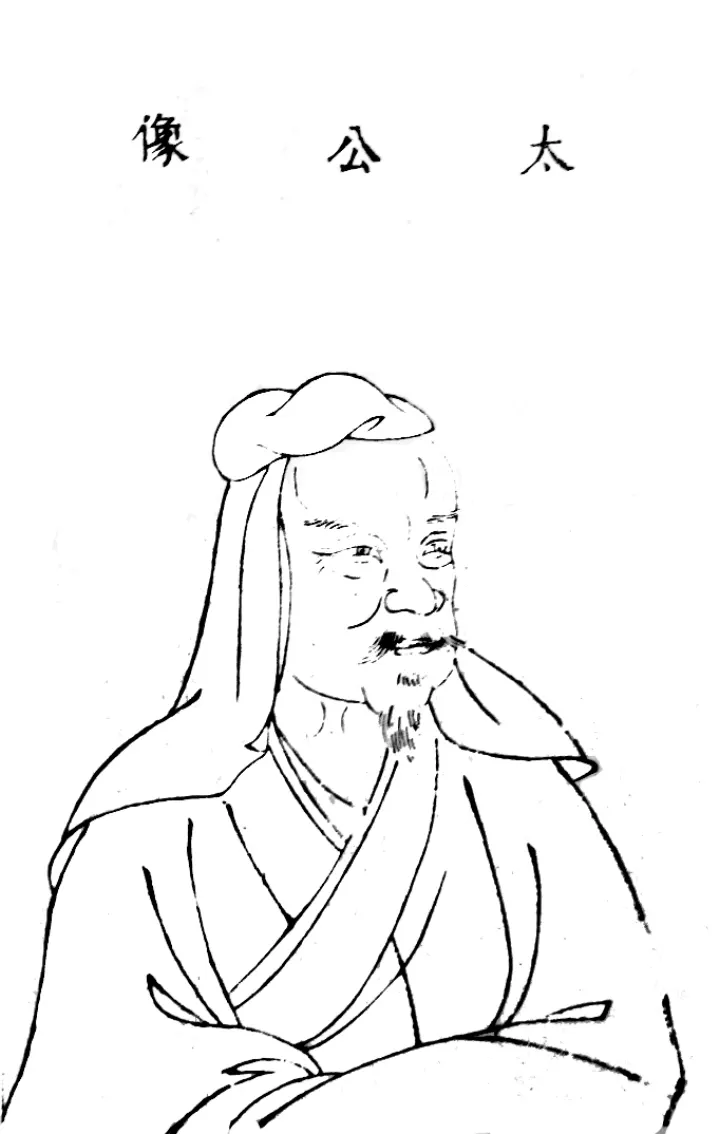
The House of Grand Duke of Qi describes the elderly Lü Shang meeting the Zhou leader north of the Wei, returning with him and becoming his teacher; his work belongs to counsel, war and state-building. Investiture instead places 'Yuanshi performs investiture' beside 'Jiang Ziya enjoys the fortune of a general and minister.' The historical actor remains, but the novel adds a supernatural office spanning the human and divine worlds.
“于是周西伯猎,果遇太公于渭之阳,与语大说”
Records of the Grand Historian · House of Grand Duke of Qi“元始封神,姜子牙享将相之福”
Investiture of the Gods · Chapter 15
Death becomes an entrance into divine office
Bi Gan and Jizi first appear in the chronicle as political actors: one is executed for remonstrating and the other feigns madness before imprisonment. Investiture preserves a moral division of loyal and treacherous figures but then grants Huang Feihu and other dead characters named divine posts. A death in dynastic politics becomes an appointment in another order, extending a character's end into cult and pantheon.
“剖比干,观其心。箕子惧,乃详狂为奴,纣又囚之。”
Records of the Grand Historian · Annals of Yin“乃敕封尔黄飞虎为五岳之首”
Investiture of the Gods · Chapter 99
The list turns scattered figures into a governed cosmos
Chapter 99 does more than tally survivors and casualties. Jiang Ziya hangs the list, specifies an order, reads offices one by one and finally completes all 365 appointments. The procedure gathers historical names, novel warriors, Daoist immortals and popular gods into one administrative pantheon. This is the novel's deepest rewrite: after dynastic war ends, its figures continue to exist in a classified and functioning divine government.
“柏鉴可将‘封神榜’张挂台下。诸神俱当循序而进,不得搀越取咎。”
Investiture of the Gods · Chapter 99“子牙封罢三百六十五位正神已毕”
Investiture of the Gods · Chapter 99
Records of the Grand Historian and Investiture of the Gods are not interchangeable accounts. The first preserves how a historian organised dynastic change; the second shows how a Ming novel borrowed those names and events, then rewrote causation through demons, teachings and divine office. Placing verbatim passages back beside their own texts lets the historical frame and literary transformation remain visible at once.
Figure by figure
Open any name for the full comparison
- King Zhou (Di Xin)In official histories, the last emperor of the Shang dynasty is depicted as a ruler who expanded territory but was autocratic and obstinate, while in novels he is portrayed as a tyrannical villain bewitched by a fox spirit.
- King Wu of ZhouIn official histories, he is a decisive ruler who founded the Zhou dynasty, while in novels he appears as a benevolent monarch who relies on celestial immortals for aid.
- Jiang ZiyaIn official history, he is the founding minister of Qi and the ancestor of military strategists; in novels, he is portrayed as a Taoist master who descends the mountain to oversee the canonization of gods.
- DajiIn official histories, she was a consort offered by the Su clan to the Shang king; in fiction, she became a fox spirit possessing a woman and a seductress who brought ruin to the state.
- NüwaThe cause of mending the sky and the making of humans from clay are described differently.
- King Wen of ZhouIn official histories, he is the virtuous leader of the western诸侯 at the end of the Shang dynasty, while in novels he is endowed with the ability to devise brilliant plans and predict the course of fate.
- Bi GanA Shang dynasty royal minister who was executed by Emperor Xin for his forceful remonstrance in official history becomes, in fiction, the subject of myths about a seven-orificed heart and heartless vegetables.
- JiziIn official history, he is a virtuous royal clansman who served as Grand Tutor of the Shang Dynasty and was enslaved for remonstrating; in fiction, he is often portrayed as a loyal elder deeply concerned about his country and people.
- Huang FeihuThe fictional King Wu Cheng of Shang and the vanguard against Shang
- Wen ZhongThe pillar of the Shang Dynasty, Grand Tutor Wen Zhong